


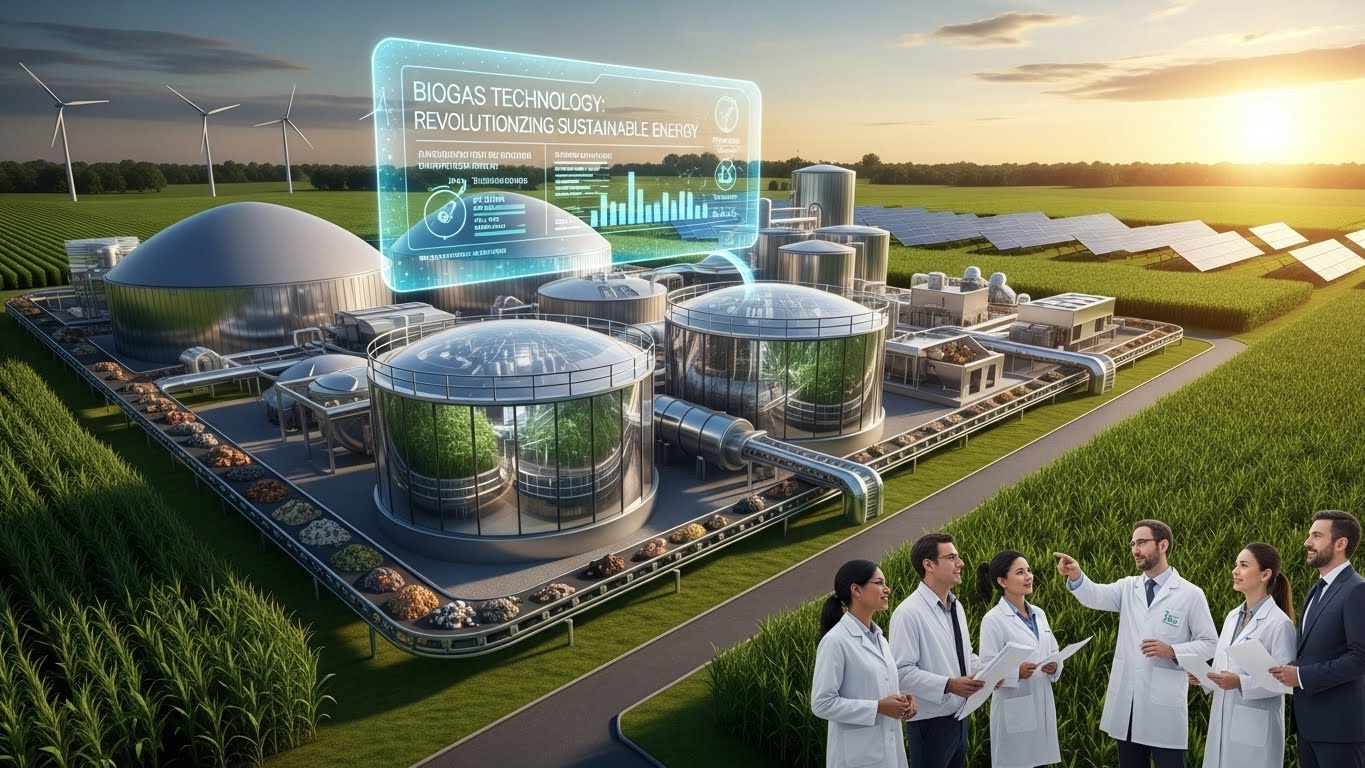
Best biogas technology is at the forefront of the renewable energy sector, offering efficient and eco-friendly solutions for converting organic waste into clean energy. As the world shifts toward sustainable energy sources, advanced biogas technologies have become critical for agriculture, industry, and municipal waste management. By upgrading raw biogas into high-quality biomethane, these technologies maximize energy output while minimizing environmental impact.
Understanding the Best Biogas Technology
Biogas is produced through the anaerobic digestion of organic materials, including agricultural residues, food waste, and sewage sludge. Raw biogas contains methane, carbon dioxide, water vapor, and trace impurities. To make biogas suitable for energy applications such as electricity generation, heating, or as vehicle fuel, it must be purified and upgraded.
The best biogas technology utilizes advanced methods such as membrane separation, pressure swing adsorption, and chemical scrubbing to remove carbon dioxide and other impurities. Among these, membrane-based systems are particularly favored for their efficiency, scalability, and lower environmental footprint. These technologies selectively concentrate methane, producing high-purity biomethane that meets industrial standards and regulatory requirements.
Key Advantages of Advanced Biogas Technology
1. High Methane Recovery
Modern biogas technologies maximize methane concentration, producing energy-rich biomethane suitable for electricity generation, heating, and transportation. Higher methane content increases calorific value, resulting in more efficient energy production.
2. Environmental Benefits
By upgrading raw biogas, advanced systems prevent methane emissions, a potent greenhouse gas, from escaping into the atmosphere. This significantly contributes to reducing the carbon footprint and supports global efforts to combat climate change.
3. Cost Efficiency and Low Maintenance
The best biogas technologies are designed for operational simplicity and minimal maintenance. Membrane-based systems, in particular, are modular, energy-efficient, and cost-effective, reducing long-term operational costs while ensuring reliable performance.
4. Scalability and Flexibility
Advanced biogas systems are suitable for a wide range of applications, from small agricultural farms to large industrial facilities and municipal waste plants. Their modular design allows operators to scale capacity as needed, adapting to increasing energy demands.
Applications Across Industries
The applications of top-tier biogas technologies are diverse. In agriculture, farms convert livestock manure and crop residues into renewable energy while generating digestate, which can be used as an organic fertilizer. Industrial facilities use upgraded biogas to power operations, reducing reliance on conventional fuels and cutting energy expenses.
Municipalities integrate biogas systems into wastewater treatment and food waste processing facilities, transforming organic waste into a valuable energy resource. This not only provides renewable energy but also supports sustainable waste management practices.
Future of Biogas Technology
As energy demand continues to grow, the development of the best biogas technology focuses on improving efficiency, increasing methane recovery, and reducing operational costs. Innovations in membrane materials, process automation, and energy recovery will further enhance the viability of biogas as a clean and sustainable alternative to fossil fuels.
Conclusion
Best biogas technology is redefining how industries, farms, and municipalities approach renewable energy production. By efficiently upgrading raw biogas into high-purity biomethane, it offers high energy output, environmental sustainability, cost savings, and scalability. Investing in advanced biogas technology ensures reliable, eco-friendly, and efficient energy production, supporting a sustainable future while meeting the growing global demand for clean energy.