


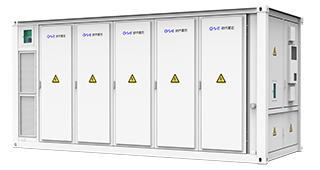
As the global energy landscape shifts toward renewable and sustainable power, battery storage manufacturers have become key players in enabling this transformation. These manufacturers design, produce, and supply battery storage solutions that help store electricity for later use, ensuring reliability, efficiency, and grid stability. From residential systems to large-scale utility projects, battery storage manufacturers are shaping the future of energy worldwide.
Who Are Battery Storage Manufacturers?
Battery storage manufacturers are companies that specialize in developing energy storage technologies, primarily battery-based systems. Their products store electrical energy generated from various sources and release it when needed. These manufacturers serve a wide range of customers, including homeowners, commercial facilities, utilities, and industrial operators.
Battery storage manufacturers focus on battery cells, modules, complete energy storage systems, and the software that manages them. Their role goes beyond manufacturing, often including research, system integration, safety testing, and after-sales support.
Types of Battery Storage Solutions
Battery storage manufacturers produce different types of systems based on application and scale:
- Residential Battery Storage Systems
Designed for homes, these systems store solar energy for nighttime use and provide backup power during outages. - Commercial and Industrial Storage Systems
These systems help businesses manage peak demand, reduce electricity costs, and improve power reliability. - Utility-Scale Battery Storage
Large-scale systems support power grids by balancing supply and demand, integrating renewable energy, and providing frequency regulation. - Mobile and Specialized Storage Systems
Used for electric vehicle charging, telecom towers, remote sites, and emergency power applications.
Each solution is customized to meet specific performance, capacity, and safety requirements.
Battery Technologies Used by Manufacturers
Battery storage manufacturers work with various battery technologies, including:
- Lithium-ion batteries: The most widely used technology due to high energy density, long lifespan, and fast response times.
- Lithium iron phosphate (LFP): Known for enhanced safety and thermal stability.
- Lead-acid batteries: Cost-effective but limited by shorter life cycles.
- Flow batteries: Suitable for long-duration energy storage with scalable capacity.
- Sodium-ion batteries: An emerging alternative offering cost and material advantages.
Manufacturers continuously invest in research to improve battery efficiency, safety, and sustainability.
Key Responsibilities of Battery Storage Manufacturers
Battery storage manufacturers play several important roles in the energy ecosystem:
- Product design and engineering: Developing efficient and durable storage solutions.
- Quality control and safety testing: Ensuring compliance with international standards.
- System integration: Combining batteries with inverters, software, and control systems.
- Innovation and R&D: Advancing battery chemistry and energy management technologies.
- Customer support: Providing installation guidance, maintenance, and warranties.
These responsibilities ensure reliable and high-performing energy storage systems.
Importance of Battery Storage Manufacturers in Renewable Energy
Renewable energy sources such as solar and wind are intermittent by nature. Battery storage manufacturers help overcome this challenge by providing solutions that store excess energy and release it when generation drops.
By enabling renewable energy integration, battery storage manufacturers support grid stability, reduce reliance on fossil fuels, and help countries meet climate goals. Their technologies are essential for achieving a clean energy transition.
Challenges Faced by Battery Storage Manufacturers
Despite growing demand, battery storage manufacturers face several challenges:
- High production costs: Raw materials such as lithium and cobalt can be expensive and volatile in price.
- Supply chain constraints: Global demand can strain manufacturing capacity.
- Safety concerns: Batteries require advanced thermal management to prevent overheating.
- Recycling and sustainability: Managing battery end-of-life responsibly remains a challenge.
- Regulatory compliance: Manufacturers must meet strict safety and environmental standards.
Addressing these challenges requires innovation, collaboration, and long-term planning.
Role of Innovation and Technology
Innovation is at the core of battery storage manufacturing. Manufacturers are developing safer chemistries, longer-lasting batteries, and smarter energy management systems. Artificial intelligence and data analytics are increasingly used to monitor battery health, predict failures, and optimize performance.
Manufacturers are also focusing on modular designs, allowing easy scalability and faster deployment for different energy storage needs.
Choosing the Right Battery Storage Manufacturer
When selecting a battery storage manufacturer, customers should consider:
- Product quality and performance
- Safety certifications and standards
- Experience and industry reputation
- Warranty and after-sales support
- Technology roadmap and innovation capabilities
A reliable manufacturer ensures long-term system performance and return on investment.
The Future of Battery Storage Manufacturing
The future of battery storage manufacturers looks promising as global energy storage demand continues to rise. Advances in battery technology, declining costs, and supportive government policies are accelerating market growth. Manufacturers will play a critical role in supporting electric vehicles, renewable energy expansion, and smart grid development.
Conclusion
Battery storage manufacturers are at the heart of the global energy transition. By delivering reliable, efficient, and innovative energy storage solutions, they enable renewable energy integration, improve grid resilience, and support sustainable development. As technology evolves and demand increases, battery storage manufacturers will continue to shape the future of clean energy worldwide.