


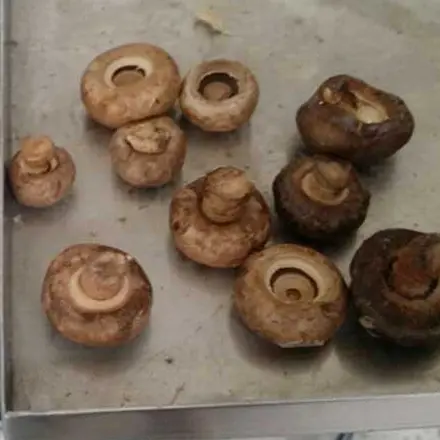
Mushrooms are highly perishable and sensitive to environmental conditions, which makes proper drying a critical step in preserving their quality and extending shelf life. A mushroom dryer provides an efficient, reliable, and hygienic solution for farmers, processors, and manufacturers who need to handle large quantities of mushrooms without compromising their nutritional value, aroma, or texture. With increasing global demand for dried mushrooms in culinary, pharmaceutical, and nutraceutical applications, investing in an advanced drying system is no longer optional—it is essential.
Fresh mushrooms contain high moisture content, often ranging from 85% to 95%, making them prone to microbial spoilage, enzymatic browning, and structural degradation. Traditional sun drying or low-efficiency air drying methods are slow, weather-dependent, and inconsistent, which can lead to quality loss and post-harvest waste. A mushroom dryer addresses these challenges by providing controlled drying conditions that ensure uniform moisture removal while preserving the mushroom’s natural properties.
How a Mushroom Dryer Works
A mushroom dryer operates by circulating heated air in a controlled environment, typically with adjustable temperature, humidity, and airflow. The drying chamber may be equipped with trays, racks, or conveyor systems, depending on the scale of production. Mushrooms are placed on these surfaces and exposed to warm, evenly distributed air that removes moisture gradually and uniformly.
Some advanced mushroom dryers combine hot air with vacuum or microwave technologies. Vacuum-assisted drying lowers the boiling point of water, allowing moisture to evaporate at lower temperatures. Microwave-assisted drying delivers energy directly to water molecules inside the mushroom, speeding up the drying process while preventing over-drying or surface hardening. The combination of controlled heat, airflow, and advanced technologies ensures that mushrooms retain their color, shape, aroma, and nutritional content throughout the drying process.
Advantages of Using a Mushroom Dryer
1. Preservation of Quality
Mushrooms are delicate and sensitive to heat, and improper drying can cause shrinkage, discoloration, or loss of aroma. A mushroom dryer ensures gentle yet effective moisture removal, preserving the mushroom’s natural characteristics. This is essential for both culinary and medicinal mushrooms, where appearance, texture, and bioactive compounds are highly valued.
2. Extended Shelf Life
Properly dried mushrooms have a significantly longer shelf life compared to fresh mushrooms, which spoil within a few days. A controlled drying process reduces moisture content to safe levels, preventing microbial growth, enzymatic activity, and mold formation. This allows producers to store mushrooms for months or even years without losing quality, facilitating year-round distribution and export.
3. Faster Drying Time
Traditional drying methods are slow and often weather-dependent, leading to inconsistencies in product quality. Mushroom dryers significantly reduce drying time, allowing large volumes to be processed efficiently. Rapid drying also minimizes the risk of spoilage during the drying period and ensures a consistent product for commercial use.
4. Energy Efficiency
Modern mushroom dryers are designed to maximize energy efficiency by using precise temperature control, optimized airflow, and heat recovery systems. Some dryers use hybrid technologies, combining electricity, gas, or solar energy to reduce operational costs. Faster drying cycles and efficient energy use make mushroom dryers both environmentally friendly and economically advantageous for producers.
5. Uniform Drying
Mushroom dryers are designed to ensure even airflow across all trays or racks, preventing over-drying at the edges and under-drying in the center. Uniform drying maintains consistent moisture levels throughout the batch, which is essential for quality, rehydration properties, and market acceptability.
6. Hygienic Processing
Enclosed mushroom dryers minimize exposure to dust, pests, and contaminants, ensuring that the dried mushrooms meet high standards of food safety. Controlled drying conditions also inhibit microbial growth naturally, reducing the need for chemical preservatives. This is especially important for mushrooms used in food products, dietary supplements, and medicinal applications.
Applications of Mushroom Dryers
Culinary Use
Dried mushrooms are a staple in kitchens worldwide, used in soups, sauces, stir-fries, and other dishes. Maintaining flavor, aroma, and texture during drying is critical for culinary applications. Mushroom dryers provide a consistent product that chefs and consumers trust for both taste and quality.
Pharmaceutical and Nutraceutical Use
Certain mushrooms, such as reishi, shiitake, and lion’s mane, have medicinal properties and are used in supplements, teas, and extracts. Mushroom dryers help preserve bioactive compounds, antioxidants, and polysaccharides that are essential for therapeutic benefits. This ensures that products maintain potency and efficacy during storage and processing.
Food Industry and Export
Commercial mushroom processors rely on drying to meet global demand and export standards. Dried mushrooms are lightweight, easy to package, and resistant to spoilage, making them ideal for international markets. Efficient drying also reduces logistics costs and enables year-round supply.
Factors to Consider When Choosing a Mushroom Dryer
Selecting the right mushroom dryer depends on several important factors:
- Capacity: The volume of mushrooms to be dried per day or season determines the size and type of dryer needed.
- Material Type: Different mushroom species have varying moisture content, size, and sensitivity to heat, requiring adjustable drying parameters.
- Temperature and Airflow Control: Precision control over drying conditions ensures uniform moisture reduction and prevents quality loss.
- Energy Source and Efficiency: Mushroom dryers may use electricity, gas, steam, or hybrid systems. Energy-efficient models reduce operational costs.
- Automation and Monitoring: Advanced dryers with sensors and real-time monitoring maintain optimal moisture levels and temperature, reducing the need for manual intervention.
- Hygiene and Maintenance: Easy-to-clean designs and durable materials ensure compliance with food safety standards and simplify routine maintenance.
Future Trends in Mushroom Drying Technology
As demand for high-quality, dried mushrooms increases, drying technology continues to evolve. Innovations in mushroom drying include:
- Microwave-assisted drying for faster processing with minimal nutrient loss
- Vacuum-assisted drying for low-temperature preservation of sensitive compounds
- Automated monitoring and IoT integration for precise control and reduced labor requirements
- Energy-efficient designs that incorporate heat recovery, hybrid energy sources, and optimized airflow
These advancements allow producers to meet the growing global demand while maintaining product quality, sustainability, and efficiency.
Conclusion
A mushroom dryer is an indispensable tool for modern mushroom production and processing. By providing rapid, uniform, and controlled drying, it preserves the natural qualities of mushrooms, extends shelf life, and ensures safety for consumption or further processing. From culinary applications to pharmaceuticals and nutraceuticals, mushroom dryers enhance product quality, reduce post-harvest losses, and increase operational efficiency. Investing in a reliable mushroom dryer enables producers to meet market demands, maintain high standards, and maximize profitability in the competitive global mushroom industry.